Windscreen replacement: what happens and what to check
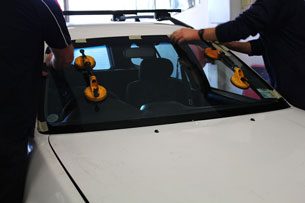
A windscreen is not just a window. On a modern car it is bonded into the body shell and helps keep the roof rigid in a rollover, it supports the passenger airbag as it inflates, and it often carries cameras, rain and light sensors, a heating element or a head-up display. That is why a replacement is a skilled job and why it pays to know what a good one looks like.
When replacement is the only option
A screen usually has to be replaced rather than repaired when a crack is longer than a repairer will treat, when damage sits in the driver's direct line of sight, when a chip is close to the edge of the glass, or when there are several chips together. Our guide to repairable windscreen cracks explains where those lines are normally drawn.
How the job is done
- Identifying the right glass. The fitter uses the registration or chassis number to find the exact screen. Two cars of the same model can need different glass: with or without a heating element, acoustic layer, rain sensor, camera bracket or head-up display area.
- Protecting the car. Wipers, scuttle panels and trims are removed, and the bonnet and dashboard are covered.
- Cutting out the old screen. The urethane bond is cut with wire or blade tools. Done carefully, this avoids scratching the paint on the frame.
- Preparing the frame. A thin layer of the old urethane is left as a base, any bare metal is primed and rust is dealt with. Rust left on the frame is a common cause of later leaks.
- Bonding the new screen. A fresh bead of urethane is applied and the glass is set in place, then trims, wipers and sensors are refitted.
- Calibration. If the car has a forward-facing camera behind the glass, the camera normally needs recalibrating. See windscreen calibration and ADAS.
How long before you can drive?
The adhesive needs time to reach the strength the car's safety systems rely on. The safe drive-away time depends on the product used, the temperature and the humidity, and on a cold, damp Irish day it can be longer than in summer. Ask the fitter for the time that applies to the adhesive they used, and avoid slamming doors or washing the car at high pressure for the first day or so.
What to check afterwards
- The glass sits evenly in the frame, with trims fitted and no gaps.
- Wipers park in the right place and clear the screen without juddering.
- Rain-sensing wipers, automatic lights and the heated screen (if fitted) all work.
- Any warning lights for lane assist or emergency braking have cleared after calibration, and you have been told whether calibration was done.
- Discs you display on the windscreen have been moved to the new glass.
Rear windscreens
Most rear screens are toughened glass rather than laminated, so like side windows they shatter completely when broken. They often carry heating elements and sometimes the radio aerial, so the connections need to be checked once the new glass is fitted.