Heated windscreen replacement: what to know before you book
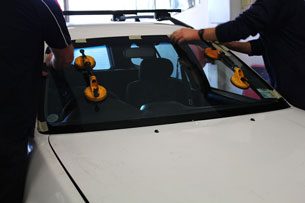
On a frosty morning in the North West, a heated windscreen is one of the best features a car can have: press a button and the ice is gone in a couple of minutes. When the glass needs replacing, though, it is a more involved job than an ordinary screen.
Heated front windscreens have long been associated with Ford, which called its version Quickclear, but they are fitted to many other makes and models. If you are not sure whether your car has one, look for a button with a curved windscreen symbol and wavy arrows, and look closely at the glass for very fine wires or a faint tint across the screen.
The two main types
Wire-heated screens
The most common type has extremely fine wires laminated inside the glass, running vertically or in a zig-zag pattern. They are thin enough to be almost invisible at a distance, although some drivers notice a faint shimmer at night, especially around oncoming headlights. A wire screen clears ice quickly and evenly.
Coated screens
Some cars use a transparent metal-oxide coating inside the laminate instead of wires. Current flows through the coating to heat the glass. These screens have no visible wires, and the coating often doubles as a solar-control layer that reflects some heat in summer. That coating can affect mobile phone and toll-tag signals, which is why such screens often have a small uncoated window near the mirror.
Why heated windscreen replacement costs more
A heated screen is more expensive to make than a standard one, and fewer are produced for any given model, so the glass itself costs more. There are other reasons too:
- Exact matching. The heating element, connectors and busbars must match the car's wiring. A screen for the same model without heating will not do.
- Extra features. Heated screens are often combined with acoustic glass, rain and light sensors, a camera bracket or a head-up display area. All of these must match the original.
- Calibration. If there is a camera behind the glass, it will need calibrating after the replacement. See windscreen calibration and ADAS.
- Availability. Less common heated screens may need to be ordered in, so the car may need to wait a few days.
Because of all this, it is worth checking that your insurance covers windscreen replacement before you need it. See windscreen cover in Ireland.
Is the glass actually the problem?
Not every heated screen that stops working needs new glass. Before replacing a screen because the heating has failed, it is worth checking the rest of the circuit:
- Fuses and relays. Heated screens draw a lot of current and have their own fuse and relay. A failed relay is a common fault.
- Connectors. The connectors at the bottom corners of the screen can work loose or corrode, especially after a previous replacement or if water has been getting in. See leaking windscreen.
- Engine conditions. Many cars only allow the heated screen to run while the engine is running, and may switch it off to protect a weak battery.
- Partial failure. If only part of the screen clears, a section of the element or one of the busbars may be damaged. That usually does mean a new screen, because the element is sealed inside the glass.
Can a heated windscreen be repaired after a stone chip?
Often, yes. A stone chip affects the outer layer of glass, while the heating element sits within the laminate. A chip repair is carried out in the same way as on a standard screen, as long as the damage is small and in a suitable position. A chip that has cut through an element wire may leave a small area that does not clear, and a crack will normally mean replacement. Our guide to repairable windscreen cracks explains the limits.
What to check after a heated windscreen is replaced
- Switch on the heated screen with the engine running and check that the whole screen clears evenly. On a mild day, you can feel the glass warming with your hand after a minute or two.
- Check that the indicator light on the button works and that the timer switches the screen off as normal.
- Confirm that rain-sensing wipers, automatic lights and any camera-based systems work, and that warning lights have cleared.
- Look for distortion in the glass at eye level, and check there are no water leaks after the first heavy rain.
Is a heated windscreen worth having?
If you are buying a car, a heated windscreen is a genuine advantage in the Irish climate. It clears frost and stubborn misting quickly without scraping, which also reduces the temptation to set off with a half-cleared screen. The trade-offs are the higher cost of replacement and, for some drivers, the faint visibility of the wires at night. If you drive a lot in the dark on unlit roads, sit in the car at night before buying to see whether the wires bother you.
Frequently asked questions
Why does a heated windscreen cost more to replace?
The glass has a heating element and connectors that must match the car exactly, it is often combined with sensors or a camera bracket, and fewer are made for each model. Calibration may also be needed afterwards.
Can you repair a chip in a heated windscreen?
Usually, yes, if the chip is small and in a suitable position. The heating element is inside the laminate, so a resin repair of the outer layer is carried out as normal.
My heated windscreen has stopped working. Does it need replacing?
Not necessarily. Check the fuse, relay and connectors at the bottom of the screen first. If only part of the screen clears, the element may be damaged and the glass may need replacing.
How do I know if my car has a heated windscreen?
Look for a dashboard button with a curved windscreen and wavy arrows, and look closely at the glass for very fine wires. The vehicle specification will also list it.