Leaking windscreen? How to find where the water gets in
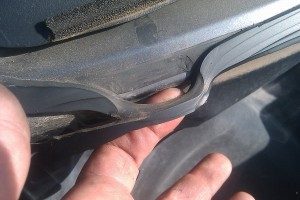
Water in the footwell is one of the most frustrating faults on a car, especially in a climate like ours where it rains on a great many days of the year. The windscreen is often blamed first, but it is only one of several routes water can take. Finding the real one saves money and stops the musty smell and misted glass that come with a damp interior.
Common sources of water
| Source | Typical signs |
|---|---|
| Windscreen bond | Drips at the top corners or along the A-pillar trims; damp at the edge of the dashboard. More likely after a previous replacement or where rust is visible at the screen edge. |
| Blocked scuttle or plenum drains | Water in the front footwells after heavy rain, sometimes with a sloshing sound under the dash. Leaves collect under the panel at the base of the windscreen. |
| Pollen filter housing or bulkhead seals | Damp air from the vents, misting, water on the passenger side. |
| Door seals and membranes | Wet door cards or carpet near the door; water at the sill. |
| Sunroof drains | Wet headlining, drips from grab handles or the interior light, water running down the pillars. |
Tracing the leak
- Dry the car out first. Lift the carpets if you can and let everything dry, so new water is easy to spot.
- Clear the obvious drains. Lift the scuttle panel cover and remove leaves and debris; check sunroof drains.
- Water test in sections. With someone inside watching with a torch, run a gentle hose (not a pressure washer) over one area at a time, starting low and working up: the scuttle, then the bottom of the screen, the sides, the top. Give each area a few minutes.
- Look for staining. Tide marks on the foam behind trims point back towards the source.
Specialists may also use a pressurised water test or smoke to show exactly where the seal has failed.
Fixing a leaking windscreen
If the bond around the screen has failed, the gap can sometimes be sealed from outside, but a proper fix usually means removing the screen, treating any rust on the frame and bonding it again, often with new glass if the old screen cannot be removed intact. Rust on the frame should not be ignored, because it undermines the bond that holds the screen in a collision. See windscreen replacement for how the frame is prepared.